Where are the Seven Churches of Revelation? All of them are in western Turkey, in ancient Asia Minor, a few hours apart: Ephesus, Smyrna, Pergamum, Thyatira, Sardis, Philadelphia and Laodicea. They are the seven Christian communities addressed in the letters of chapters 2 and 3 of the Book of Revelation, and today they are spread between the city of Izmir, small towns in the Aegean interior and archaeological sites. You can visit them all on a single trip, which is how our tour of the 7 Churches of Revelation is designed, over 8 days with a Spanish-speaking guide. In this guide you will see where each church is, its modern name, what survives at each site and the best order to visit them.
Map of the Seven Churches: where each one is today
The seven cities form an almost circular route through the Aegean region. The order in which they appear in Revelation actually follows a logical road between them:
- Ephesus, next to present-day Selçuk, near the coast.
- Smyrna, today's Izmir, Turkey's third city.
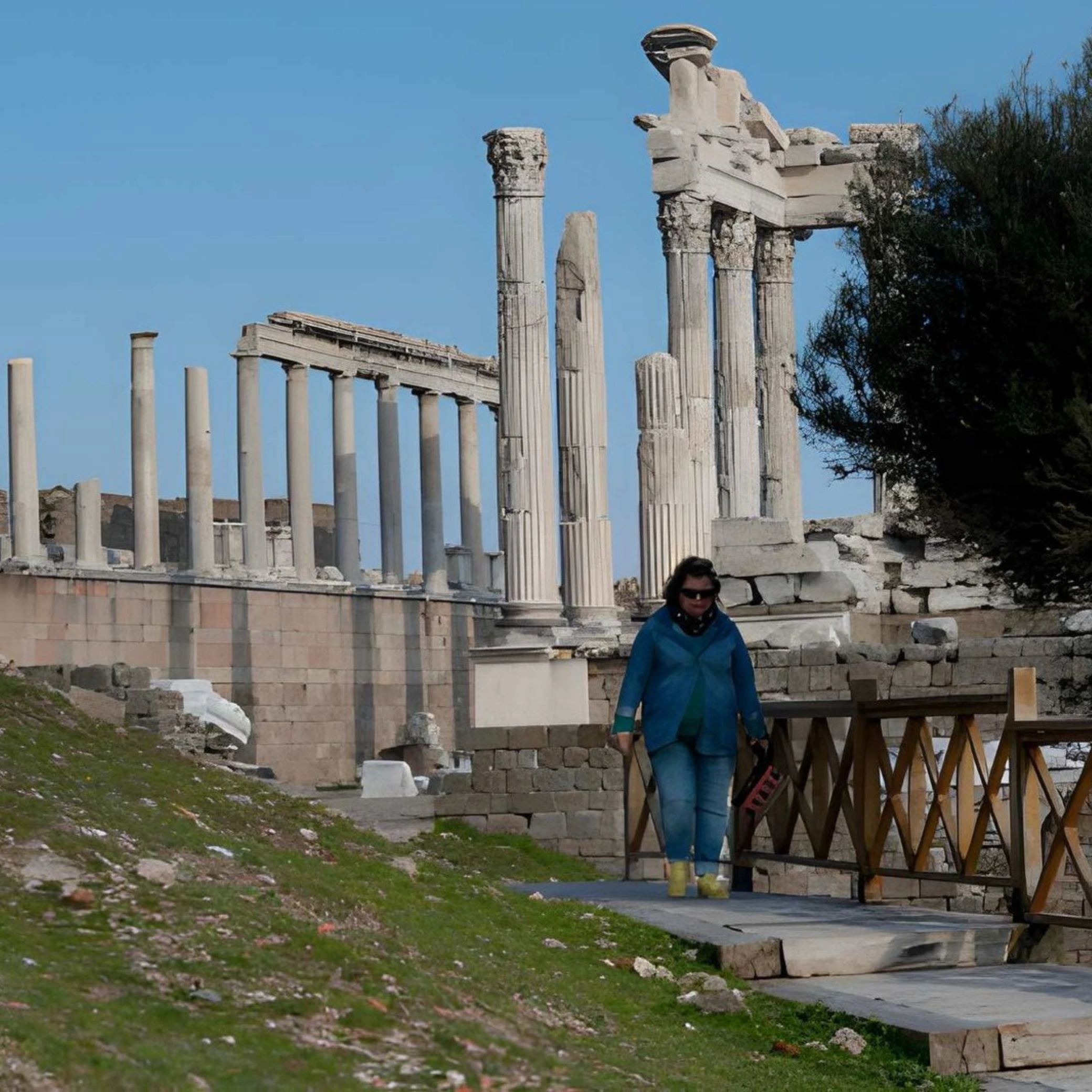
- Pergamum, in present-day Bergama, north of Izmir.
- Thyatira, in present-day Akhisar.
- Sardis, beside the village of Sart.
- Philadelphia, in present-day Alaşehir.
- Laodicea, near Denizli, a short distance from Pamukkale.
This closeness is what makes it possible to see them all in a few days, with Izmir as the gateway in and out.
What you see at each church
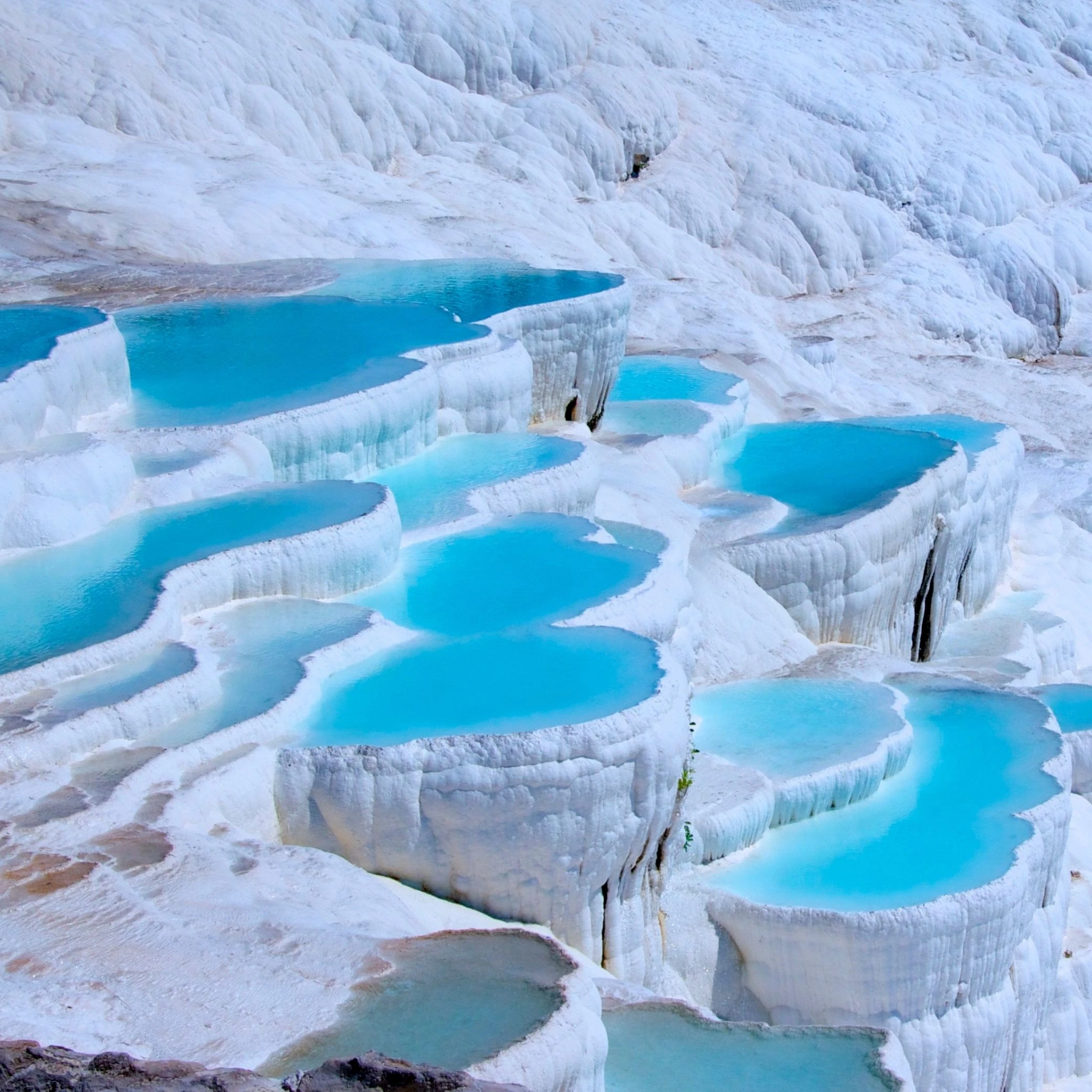
Ephesus is the great site of the trip: the Library of Celsus, the Great Theatre and the marble streets of one of the most important cities of the Roman Empire. Close by are the House of the Virgin Mary and the Basilica of St John. Pergamum impresses with its acropolis on a hilltop and a theatre cut into the slope. Smyrna keeps its ancient agora in the middle of the modern city. At Thyatira, Sardis and Philadelphia the remains are more modest, but the context, explained by the guide, gives meaning to each letter. Laodicea, with streets and theatres brought back by excavation, is combined with the white terraces of Pamukkale and ancient Hierapolis.
How to visit them: the itinerary day by day
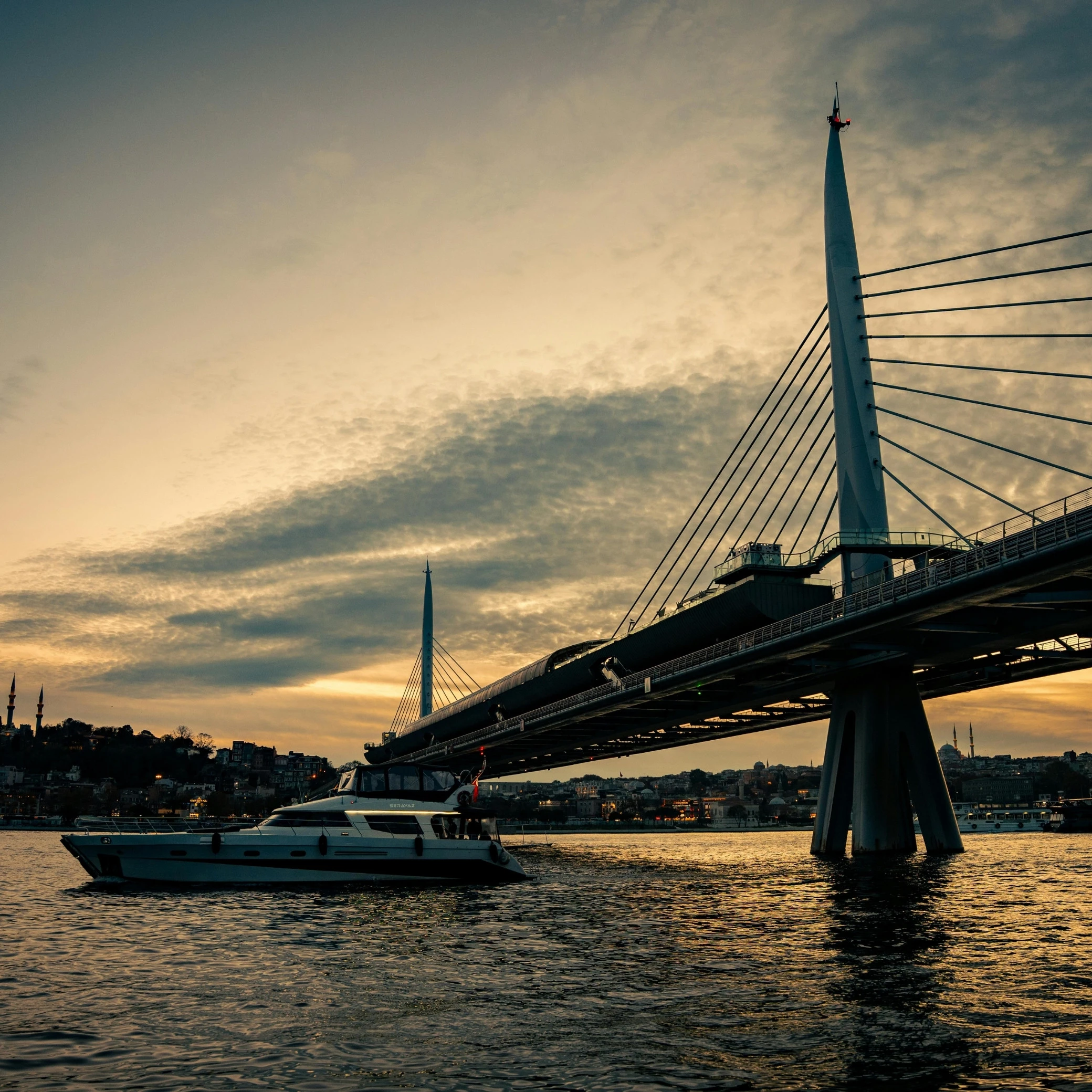
On our tour the route begins in Istanbul and devotes a day to the Christian treasures of Constantinople: Hagia Sophia, the Ecumenical Patriarchate, the Church of St Saviour in Chora and the Church of St Anthony of Padua. Then:
Day 3: Pergamum and Smyrna, two of the seven churches.
Day 4: Thyatira, Sardis and Philadelphia, the three inland churches.
Day 5: Laodicea, the seventh church, together with Hierapolis and Pamukkale.
Day 6: Ephesus, the House of the Virgin Mary and the Basilica of St John, the heart of the biblical journey.
Day 7: domestic flight from Izmir to Istanbul and a Bosphorus cruise.
Day 8: free time and departure transfer.
The programme includes seven nights in 4 and 5-star hotels, daily breakfast with six lunches and seven dinners, private transport throughout, a professional Spanish-speaking guide, the domestic flight and every entrance ticket: the seven churches, the House of the Virgin Mary, the Basilica of St John, Hierapolis-Pamukkale, the Ecumenical Patriarchate, St Anthony of Padua, St Saviour in Chora and the Bosphorus cruise.
The Christian treasures of Istanbul
Before reaching the Aegean, the trip stops in ancient Constantinople, capital of the Byzantine Empire for more than a thousand years. Hagia Sophia, built in the sixth century, was for centuries the largest church in Christendom. In the Fener district stands the seat of the Ecumenical Patriarchate of Constantinople, a point of reference for Orthodox Christianity. The Church of St Saviour in Chora is famous for its Byzantine mosaics and frescoes, among the best preserved anywhere, and the Church of St Anthony of Padua, on İstiklal Avenue, is the city's main Catholic church. Starting here helps you see the continuity between the first communities of Asia Minor and the Christianity that later flourished in Byzantium. It also gives the group a gentle first day before the longer drives along the Aegean.
Who this trip is for
It is designed for parish groups, pilgrims and travellers interested in the origins of Christianity, but also for anyone who enjoys Roman archaeology. The Spanish-speaking guide explains the biblical context of each site without losing sight of its history. If you would rather take a broader circuit that includes Ephesus and the House of the Virgin Mary alongside Istanbul and Cappadocia, the 8-day Turkey circuit or the 12-day circuit with domestic flights are good alternatives.
When to do the Seven Churches route
The Aegean region is very hot in July and August, and many of the sites have little shade. Spring and autumn are the best seasons for walking among ruins. In winter the coast is mild, though the days are shorter. If you are travelling as a group on key dates such as Holy Week, book well ahead.
Tips for the visit
Wear comfortable, closed shoes: at Ephesus, Pergamum and Laodicea you walk on stone for hours. Water, a hat and sun cream are essential outside winter. For the House of the Virgin Mary and churches still in use, wear clothes that cover shoulders and knees. And if you want to read the letters of Revelation at each site, bring the text with you: the guide can help you place each passage.
Frequently asked questions about the Seven Churches of Revelation
Which country are the Seven Churches of Revelation in?
Turkey, in the Aegean region, in what was the Roman province of Asia.
Can you see all seven on one trip?
Yes. They are fairly close together and three days on the road cover them all.
Do the original churches survive?
The first communities met in homes; what you visit are the ancient cities and, in some cases, later basilicas.
Does the tour include the House of the Virgin Mary?
Yes, together with Ephesus and the Basilica of St John.
Sources: UNESCO: Ephesus · UNESCO: Pergamon and its Multi-Layered Cultural Landscape · UNESCO: Hierapolis-Pamukkale · GoTürkiye, the official travel guide of Türkiye.
Ready to Explore?
Book your next adventure with VIVA TURQUIA and experience the magic yourself!
Browse Our Tours