What to see in Istanbul on a first visit: Hagia Sophia, the Blue Mosque, Topkapı, the Bosphorus and the Grand Bazaar, plus what to eat and how to get around.
What should you see in Istanbul on a first visit? The must-sees are Hagia Sophia, the Blue Mosque, Topkapı Palace and the Basilica Cistern in the Sultanahmet district, plus a Bosphorus cruise and a visit to the Grand Bazaar. With three full days you can cover the essentials without rushing. In this Istanbul travel guide we cover what to visit, what to eat and how to get around so you make the most of every hour.
How many days do you need for Istanbul?
Istanbul is huge and straddles two continents, so the time you spend makes all the difference. As a reference: two days cover the historic centre and a Bosphorus cruise; three days add the Grand Bazaar, Galata and a walk on the Asian side; and four or more let you dig into museums, local neighbourhoods and food. If your trip is short, a full Istanbul tour with a private guide helps you see the highlights without wasting time.
Sultanahmet: Hagia Sophia, Blue Mosque, Topkapı and the Cistern
The historic heart of Istanbul packs the great monuments within a few minutes on foot. Hagia Sophia sums up fifteen hundred years of history between Byzantium and the Ottoman Empire; right opposite, the Blue Mosque dazzles with its six minarets and Iznik tiles. Topkapı Palace was the home of the sultans and holds treasures and views over the Bosphorus, while the underground Basilica Cistern surprises visitors with its columns and the Medusa heads. On the same square you find the ancient Hippodrome, with the Egyptian obelisk and the serpent column, witnesses of the Roman era. This is the area where a guide who adds context to each site pays off most, and it is worth arriving early to avoid the queues at Hagia Sophia and Topkapı, especially in high season.
Grand Bazaar and Spice Bazaar
Shopping (or just browsing) is part of the experience. The Grand Bazaar is one of the oldest covered markets in the world, a maze of thousands of shops selling carpets, jewellery and ceramics. A short walk away, the Spice Bazaar fills the air with the aromas of saffron, tea and Turkish delight. Bargaining with respect is the norm, and it always pays to compare before closing a purchase. Take your time to wander the side alleys, where the workshops and tea houses give you a glimpse of the bazaar away from the main crowds.
Bosphorus cruise: Europe and Asia
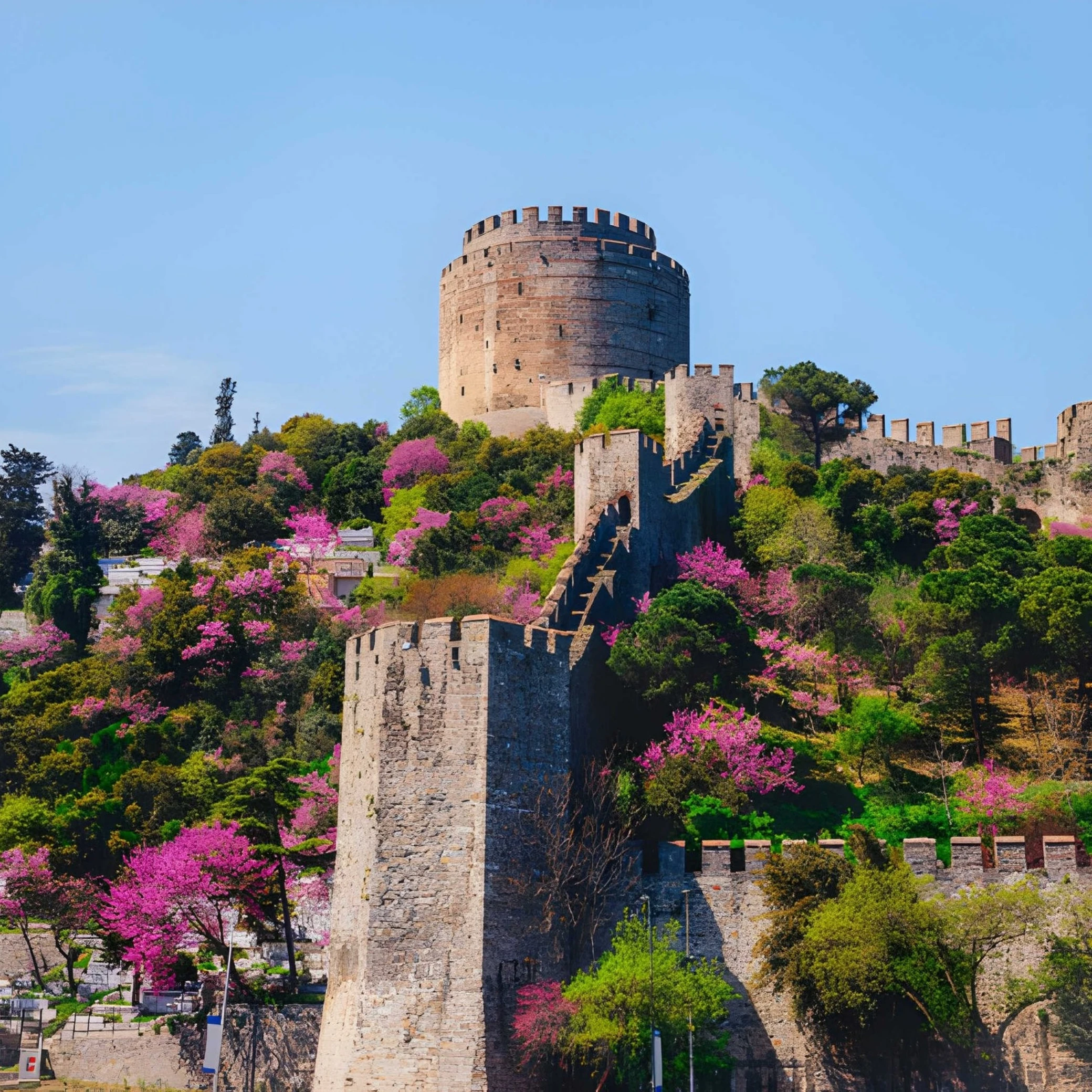
No trip to Istanbul is complete without seeing the city from the water. A Bosphorus cruise sails the strait that separates Europe from Asia, with Ottoman palaces, fortresses and wooden mansions on both shores. It is the best way to understand the unique geography of Istanbul and to photograph the city skyline at sunset. Along the route you will see the Dolmabahçe Palace, the Rumeli fortress and the two great bridges that link the two continents.
Galata and Karaköy
Crossing the Golden Horn you reach Galata, crowned by its medieval tower with one of the best views in Istanbul. The Karaköy district at its feet has become a trendy area full of cafes, galleries and design shops. Going up the Galata Tower at sunset is one of those moments you remember from the trip.
The Asian side: Kadıköy and Üsküdar
To see the most local Istanbul, take a ferry to the Asian side. Kadıköy is famous for its market, its bars and its young atmosphere, while Üsküdar keeps historic mosques and a more traditional feel by the sea. The ferry ride is cheap, fast and an experience in itself. If you want to go deeper, the classic Constantinople tour combines the great icons with the soul of the city.
What to eat in Istanbul
Food is one of the great pleasures of the trip. Do not miss a full Turkish breakfast, the balık ekmek (fish sandwich) by the Galata Bridge, kebabs and mezes, and sweets such as baklava and lokum. The simit (sesame ring) and tea served in small glasses are part of daily life. To go with it, try ayran (a yogurt drink) or a Turkish coffee served the traditional way. A food tour through the markets is a great way to taste a bit of everything with a local and discover spots you would not reach on your own.
How to get around and practical tips
Getting around Istanbul is easy with the Istanbulkart, the rechargeable card that works on the tram, metro, bus and ferry. The T1 tram connects Sultanahmet with Galata and is very useful for the main sights. The best time to visit the city is spring (April to May) and autumn (September to October), with good weather and less heat. If your trip includes more destinations, you can combine Istanbul and Cappadocia in a single package. And for the old town, many travellers book a private old city tour with a guide or a complete Istanbul in 2 days with a private guide so they do not miss a thing.
Frequently asked questions about what to see in Istanbul
How many days do you need to see Istanbul?
With three full days you see the must-sees (Sultanahmet, the Bosphorus, the Grand Bazaar and Galata). Two days cover the essentials and four or more let you go deeper.
What is the best area to stay?
Sultanahmet is ideal for being close to the monuments; Beyoğlu and Galata offer more atmosphere and nightlife. Both are well connected by tram.
Can you see Europe and Asia in one day?
Yes. A Bosphorus cruise or a ferry to the Asian side let you set foot on both continents on the same day.
Private guide or on your own?
Exploring on your own works well for walking around, but a private guide adds historical context and saves queues at the major monuments, especially if time is limited.
What is the best time to visit Istanbul?
Spring and autumn offer the best weather. Summer is hot and busy, and winter is quieter and cheaper, though colder.